Guide
Cornbread Dressing: Bake the Bread Dry, Plain and Ahead
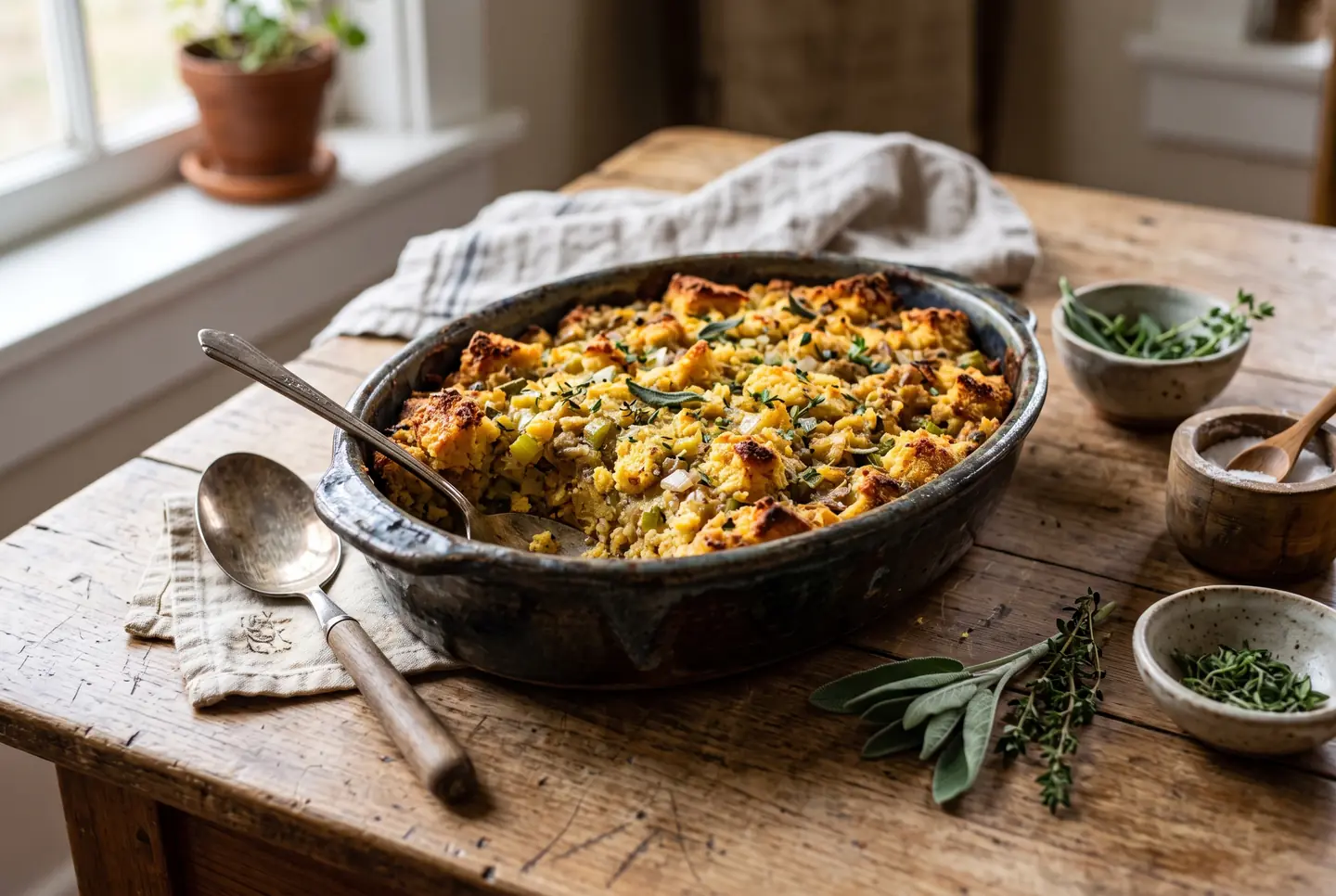
Half the cornbread baked in November is never eaten as bread at all: it is baked to be torn up and turned into dressing. That changes everything about how you make it. Dressing cornbread should be plain, on the savory side, and above all a little dry, because it has to drink stock and eggs without dissolving into mush. Get the bread right, and the dressing almost makes itself. This page is the deep version of the dressing section from the complete cornbread recipe guide.
The short answer: bake a plain, savory, not-too-sweet cornbread a day or two ahead, let it go stale, then tear it up. A fresh, sweet, moist loaf makes heavy, pudding-like dressing. A drier one makes dressing with structure.
Dressing or stuffing?
The two words cause endless confusion, so here it is plainly. In most of the American South, "dressing" is the cornbread-based side baked in its own dish. "Stuffing" is the same idea cooked inside the bird. Same family, different cooking vessel, and food-safety guidance generally favors baking it in a dish rather than packing it into the cavity, where it has to reach a safe temperature without overcooking the bird around it. This guide is about the bread for dressing, baked in a pan, but everything here works whether you bake it in a dish or, carefully, in the bird.
Why dressing cornbread is a different bake
The cornbread you want for dressing is almost the opposite of the one you want warm with butter. It has one job: to absorb a lot of liquid and hold together. That points to three things.
| Trait | Everyday cornbread | Dressing cornbread |
|---|---|---|
| Sweetness | Cook's choice | Plain and savory, little to no sugar |
| Moisture | Moist and tender | Drier, so it drinks stock |
| Crumb | Soft | Sturdy, holds shape when torn |
| Freshness | Fresh and warm | A day or two old, staled on purpose |
A sweet, cakey Northern-style loaf turns to a wet, pudding-like dressing that never sets right. This is the one time even a committed sweet-cornbread cook should reach for the drier, savory Southern style (Chefs Corner Store). If you usually bake sweet, the difference between the two styles is laid out in the guide to Southern cornbread.
Bake it ahead and let it dry
Dry crumbs drink liquid; fresh, moist crumbs dissolve in it. The traditional move is to bake the cornbread a day or two before, leave it uncovered on the counter, and let it stale. If you did not plan ahead, tear or cut the loaf into pieces and dry them in a low oven until they feel firm and papery, then let them cool. Either way, you want crumbs that hold their edges when they meet the stock, not ones that slump.
- A day or two ahead: bake plain cornbread, leave it uncovered to stale.
- Same day, in a hurry: tear it up and dry the pieces in a low oven until firm.
- The test: a piece should feel dry and hold its shape, not squish between your fingers.
Bake the cornbread itself the usual way, in a hot oven around 220 °C (425 °F) (Damn Delicious); it is only the drying-out afterward that makes it dressing-ready.
Cut it with a little other bread
Many Southern cooks do not use cornbread alone. A handful of day-old white bread, torn biscuits or a few crackers mixed into the cornbread gives the dressing a bit more structure and keeps it from being too dense or too crumbly. Cornbread brings the flavor and the character; the wheat bread brings backbone. A common split is mostly cornbread with a smaller amount of other bread, adjusted to taste and to how your cornbread behaves.
| Bread | Role in the dressing |
|---|---|
| Cornbread | The flavor and identity, most of the mix |
| Day-old white bread | Structure, keeps it from collapsing |
| Torn biscuits | Richness and body |
| Crackers or stale rolls | A little extra binding |
Season the bread, because the bread is mild
Cornbread is mild, so dressing lives or dies on its seasoning. The classic base is onion and celery cooked slowly in butter until soft, plenty of sage, and salt and pepper, all bound with beaten eggs and enough stock to moisten without drowning. Add the stock gradually: you want the mix wet enough to hold together and bake into something tender, not soup. Sage is the signature herb, with thyme and poultry seasoning close behind, and cooks who like a savory-meaty depth add sausage or the giblets. Taste the mix before it bakes, because a bland dressing traces straight back to underseasoning the bread.
Putting it together
With the bread dry and plain, the assembly is simple: crumble the cornbread and torn wheat bread, stir in the buttery onion and celery, the herbs and beaten eggs, then moisten with stock a little at a time until it holds together. Spread it in a buttered dish and bake in a moderate oven until set and golden on top, with a soft, moist center. If it looks dry going in, add a little more stock; if it looks soupy, hold back. The drier your bread started, the more stock it will happily take.
For the far opposite of a baked, herby dressing, there is the no-oven, fried hot water cornbread, which shows just how differently the same cornmeal can behave depending on what you are after.
Frequently asked questions
What kind of cornbread is best for dressing? A plain, savory, not-too-sweet cornbread that has been baked ahead and allowed to dry. Sweet, moist, cakey cornbread turns to a heavy, pudding-like dressing, so the drier Southern style works best even if you usually bake sweet.
Should cornbread for dressing be sweet or savory? Savory, with little to no sugar. Dressing is a savory dish seasoned with sage, onion and celery, and a sweet cornbread fights that. This is the one time to skip the sugar even if sweet is your everyday preference.
Do I need to let the cornbread go stale first? Yes, or dry it out in a low oven. Dry crumbs absorb the stock and eggs and keep their shape; fresh, moist crumbs dissolve into mush. Bake a day or two ahead and leave it uncovered, or tear it up and dry the pieces the same day.
What is the difference between dressing and stuffing? Mostly the vessel. Dressing is baked in its own dish; stuffing is cooked inside the bird. They are the same family of recipe, and baking it in a dish is the easier route to a safe, evenly cooked result.
Can I use only cornbread, or should I mix in other bread? Both work. Many cooks mix in some day-old white bread or torn biscuits for structure, so the dressing holds together instead of turning dense or crumbly. Cornbread stays the main flavor; the wheat bread is backbone.
How do I keep cornbread dressing from being dry or gummy? Match the stock to the bread. Add it gradually until the mix holds together but is not soupy, and start with dry, staled bread so it can absorb liquid. Too little stock bakes dry; too much, or fresh moist bread, bakes gummy.
Can I make the cornbread days in advance? Yes, and it helps. Baking the cornbread a day or two ahead is the traditional method, since it needs to dry out anyway. Keep it loosely covered at room temperature, or freeze it further ahead and let it dry once thawed.
Where I checked
Keep reading
 Guide
Guide
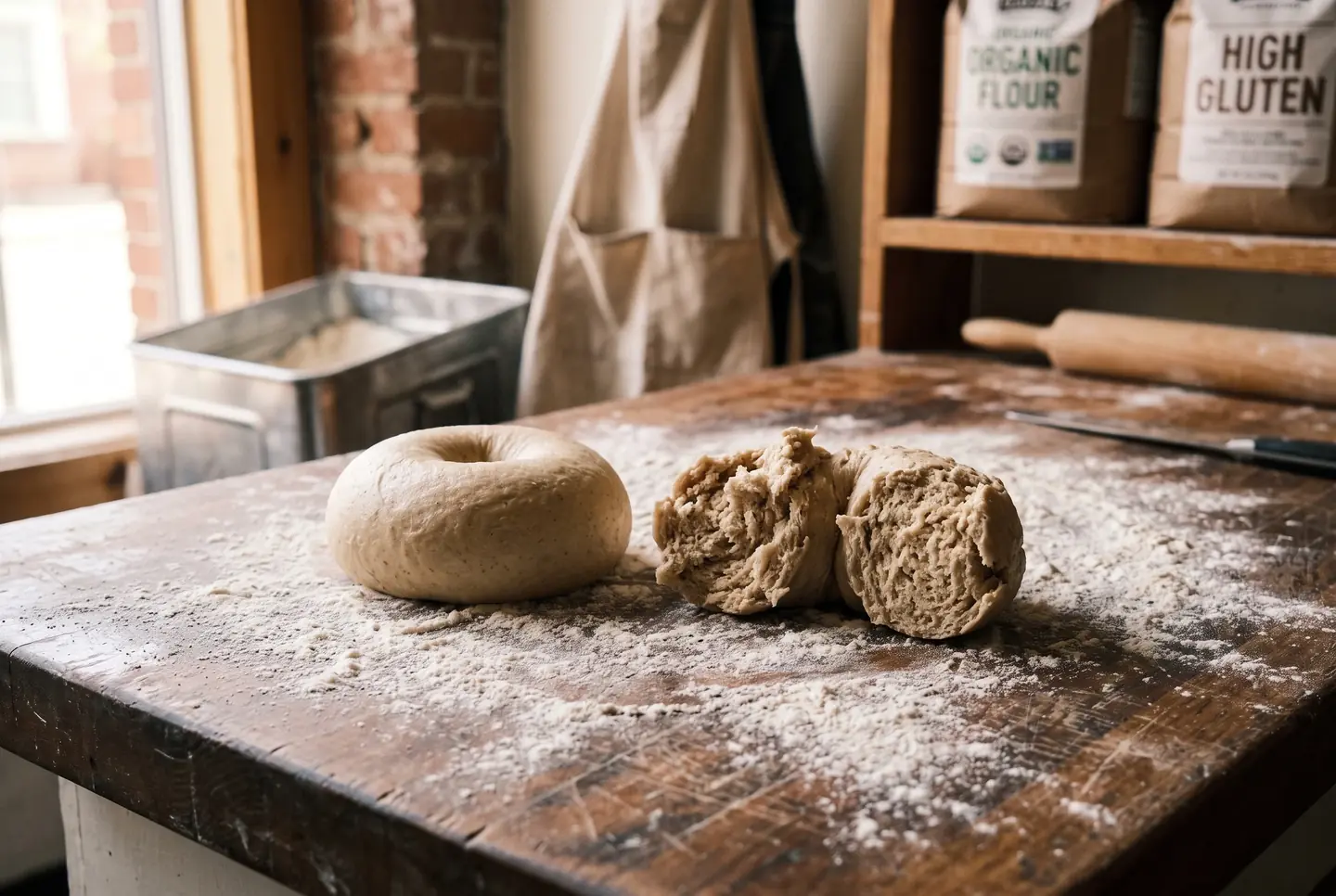
Bagel Dough: Why It Is So Firm, and How to Knead It
Bagel dough feels stiff and dry on purpose. Here is why it runs at 50 to 60% water and high protein flour, how to knead it, and the windowpane to aim for.
6 min read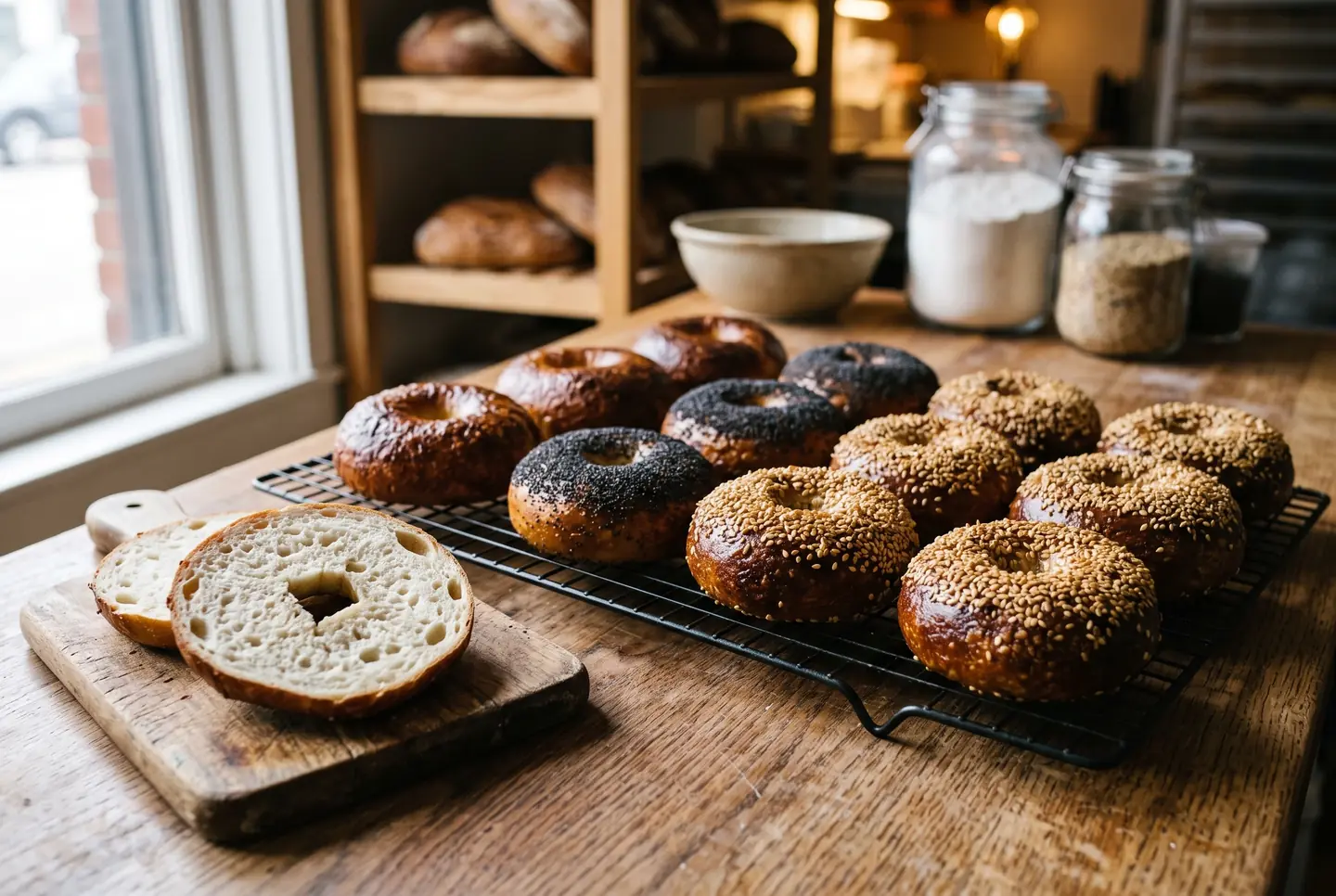 Guide
Guide
Bagel Recipe: New York Style, Step by Step
A weight-based New York bagel recipe, step by step: the firm 58% dough, an overnight cold retard, how long to boil, and the oven heat that sets a glossy crust.
6 min read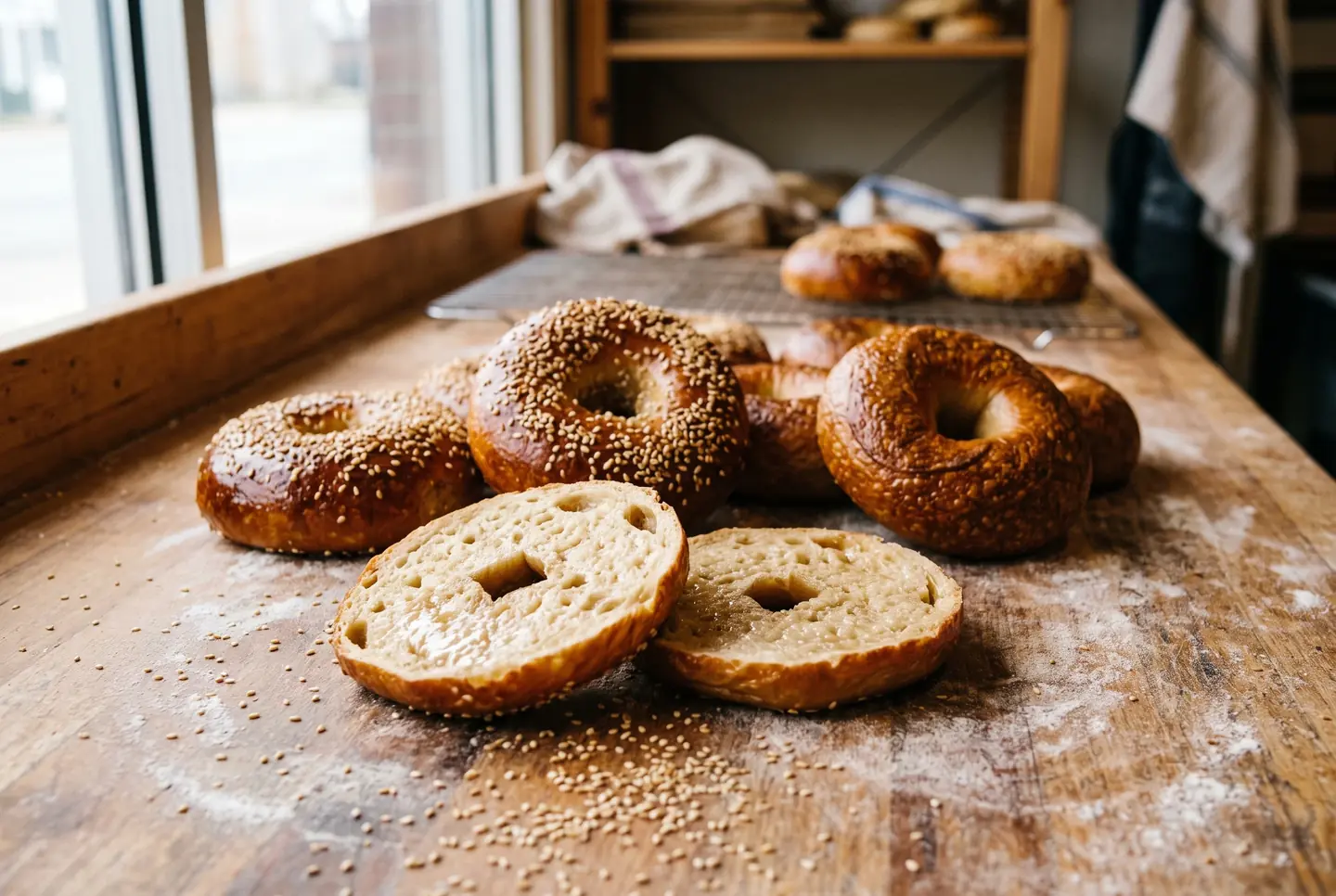 Complete guide
Bagels: The Complete Guide
Make a real bagel at home: the firm 58% dough, why bagels are boiled before baking, New York vs Montreal, sourdough and gluten free, and how to fix flat ones.
18 min read