Guide
Detroit-Style Pizza Recipe: Step by Step
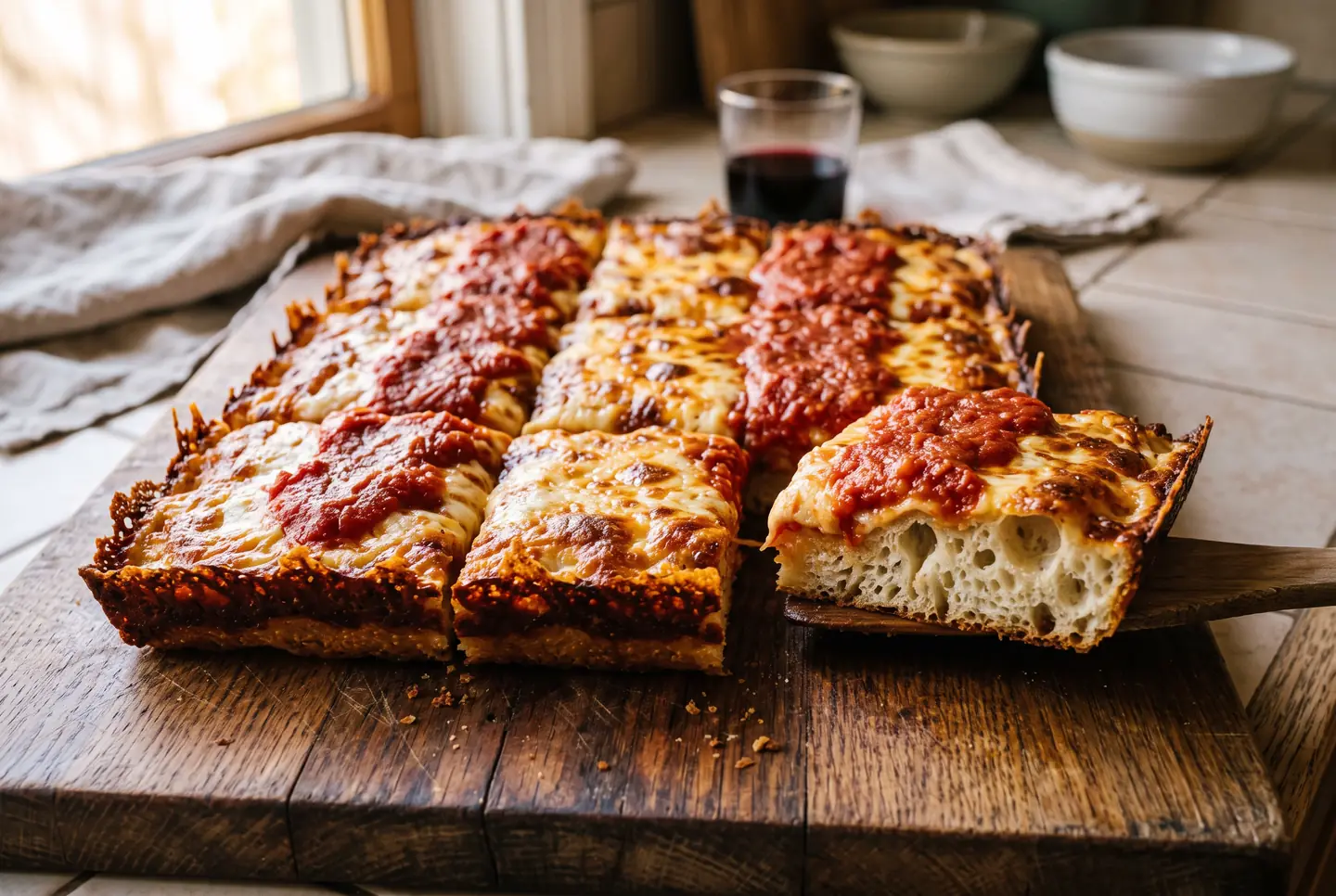
A Detroit-style pizza is one of the easiest great pizzas to make at home, because you never toss or stretch anything in the air: you press a wet dough into an oiled pan and let the pan do the hard part. Mix the dough, let it rise, press it into the pan, top it backwards (cheese first, sauce last), and bake it hot. That is the whole recipe, and every crisp, cheesy, tall slice comes out of those five steps.
This page is the make-it version of the dough and build from the complete Detroit-style pizza guide, where the pizza comes down to three levers: the pan, the cheese and the heat. Here we stay on the recipe itself: exact weights, the order of the build, and the oven that turns it crisp.
The recipe, in weights
Weigh if you can. Detroit dough is wet, around 70% hydration, which the sources on the style agree is what gives the open, airy crumb, so a stray spoon of flour or water changes the feel more than it would in a drier dough. This makes one pizza in a small rectangular pan, roughly 20 by 25 cm (8 by 10 inches).
| Ingredient | Weight | Notes |
|---|---|---|
| Bread flour | 300 g | Strong flour, to hold all the water |
| Water | 210 g | 70% of the flour weight, the number to keep |
| Instant yeast | 4 g | About 1.25 tsp |
| Salt | 6 g | About 1 tsp |
| Olive oil (for the pan) | 15 to 20 g | Enough to coat the base and walls |
| Low-moisture cheese | 200 to 250 g | Mozzarella blend, pushed to the edges |
| Tomato sauce | 150 g | A plain, thick tomato sauce, added on top |
The one number to protect is the water. Keep it near 70% of the flour weight and the crumb stays open and light. Everything else can flex a little to fit your pan and your taste.
Mixing the dough
Stir the yeast and salt into the flour, add the water, and mix to a rough, sticky, shaggy dough. There is no real kneading to do. Cover the bowl and leave it 15 minutes, then do one round of folding: wet your hand, lift one side of the dough, and fold it over the middle, turning the bowl and repeating four or five times. That short fold builds enough structure without any work.
You have two paths from here. The fast one: cover the bowl and let the dough rise at room temperature until it is puffy and about doubled, roughly one to two hours. The better one: cover it and put it in the fridge for 24 to 48 hours, a slow cold ferment that many recipes recommend for deeper flavor and an easier dough to handle. Either works, and the cold route is worth it if you can plan ahead.
Into the pan, and the second rise
Pour the olive oil into the pan and spread it up the walls. Tip the dough in and, with oiled fingers, press it toward the corners. It will fight you and shrink back at first. Do not force it. Press it as far as it goes, wait 10 to 15 minutes for the gluten to relax, then press again. After two or three tries it reaches all four corners.
Now let it rise a second time in the pan, uncovered or loosely covered, until it looks puffy and alive, about 45 minutes to an hour at room temperature. This second rise in the oiled pan is what gives a Detroit its height and its open inside. While it rises, heat the oven, as hot as it goes in the range below.
Topping it backwards: cheese, then sauce
Here is the part that feels wrong and is right. A Detroit is built in reverse. Lay any toppings (pepperoni is classic) straight onto the risen dough. Then scatter the cheese over the whole surface and, most important, push it all the way to the edges of the pan, even a little up the walls. That cheese against the hot metal is what becomes the frico, the caramelized edge that defines the style.
The sauce goes on last, not first. Spoon your tomato sauce over the top in two or three stripes, the classic "red top." You can do this before baking, or bake with just the cheese and add warmed sauce in stripes the moment it comes out. Sauce on top, instead of soaking into the base, is why the crust stays crisp all the way through.
Baking: hot, until the edge is dark
Detroit wants a lot of heat. Bake in the upper part of a very hot oven, in the 230 to 290 °C (450 to 550 °F) range that home kitchens and the recipe sources use, for about 12 to 18 minutes. If you have a baking steel or stone, preheat it on a low rack and set the pan straight on it, since steel drives heat into the base and crisps it harder.
Pull the pizza when the cheese edge is deeply browned, not just golden. That dark frico is where the flavor is, and it is the last thing to happen, so trust the color over the clock. Lift the pizza out of the pan within a minute or two of baking with a thin spatula, so the fried base does not steam soft sitting in the hot pan.
Where the recipe goes wrong
Most first tries miss on one of a few things, and each has a quick fix.
| Symptom | Cause | Fix |
|---|---|---|
| Pale, soft bottom | Oven not hot enough, or a glass pan | Bake hotter, use a steel or metal pan, not glass |
| No frico edge | Cheese did not reach the pan wall | Push cheese right to the edge, even up the sides |
| Dough will not reach corners | Gluten too tight, pressed in one go | Press, rest 10 minutes, press again |
| Dense, bready inside | Not enough rise, or dough too dry | Keep water near 70%, give a full second rise in the pan |
| Soggy under the cheese | Sauce went under the cheese | Put the sauce on top, the Detroit way |
The most common miss is heat: a base that looks done but is soft underneath almost always means the oven or the pan did not get hot enough. Fix the heat before you change anything else.
Frequently asked questions
What hydration is Detroit pizza dough? Around 70%, meaning 70 grams of water for every 100 grams of flour, which is what gives the open, airy crumb. Some recipes go a little higher. Keep it near 70% and you are on track.
Do I need a special Detroit pan? It helps, but you do not need one to start. A metal cake or brownie pan with straight sides works well. Avoid glass or ceramic, which insulate and leave the base pale and soft.
Why is the sauce on top? Sauce on top of the cheese, the "red top," keeps moisture off the crust so the base stays crisp, and it lets the cheese caramelize against the pan into the frico. Many cooks add it in stripes after baking for a fresher taste.
What cheese should I use? Traditionally Wisconsin brick cheese, which is high in fat and low in moisture. Where that is hard to find, use a low-moisture mozzarella, often blended with a little Monterey Jack or mild cheddar, and push it to the edges.
What temperature do I bake it at? Hot: 230 to 290 °C (450 to 550 °F) for about 12 to 18 minutes, until the cheese edge is deeply browned. A preheated baking steel under the pan helps the base crisp.
Can I make the dough ahead? Yes, and it is better for it. A cold ferment in the fridge for 24 to 48 hours deepens the flavor and makes the wet dough easier to handle. Bring it to the pan straight from the fridge.
Press it, do not fight it, and bake it hotter than feels sensible. The dark cheese edge is the whole reward, so wait for it.
Where I checked
Keep reading
 Guide
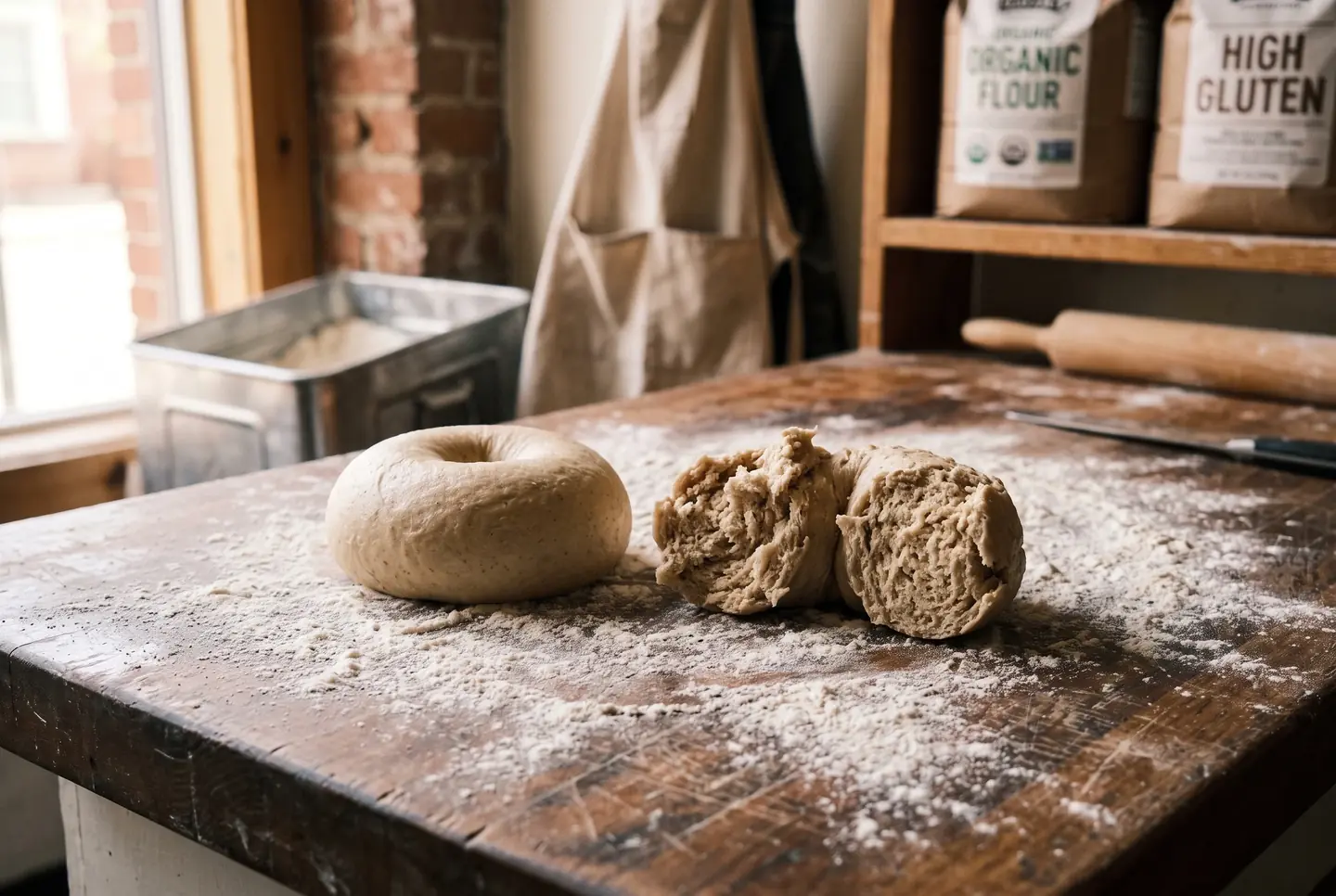
Bagel Dough: Why It Is So Firm, and How to Knead It
Bagel dough feels stiff and dry on purpose. Here is why it runs at 50 to 60% water and high protein flour, how to knead it, and the windowpane to aim for.
6 min read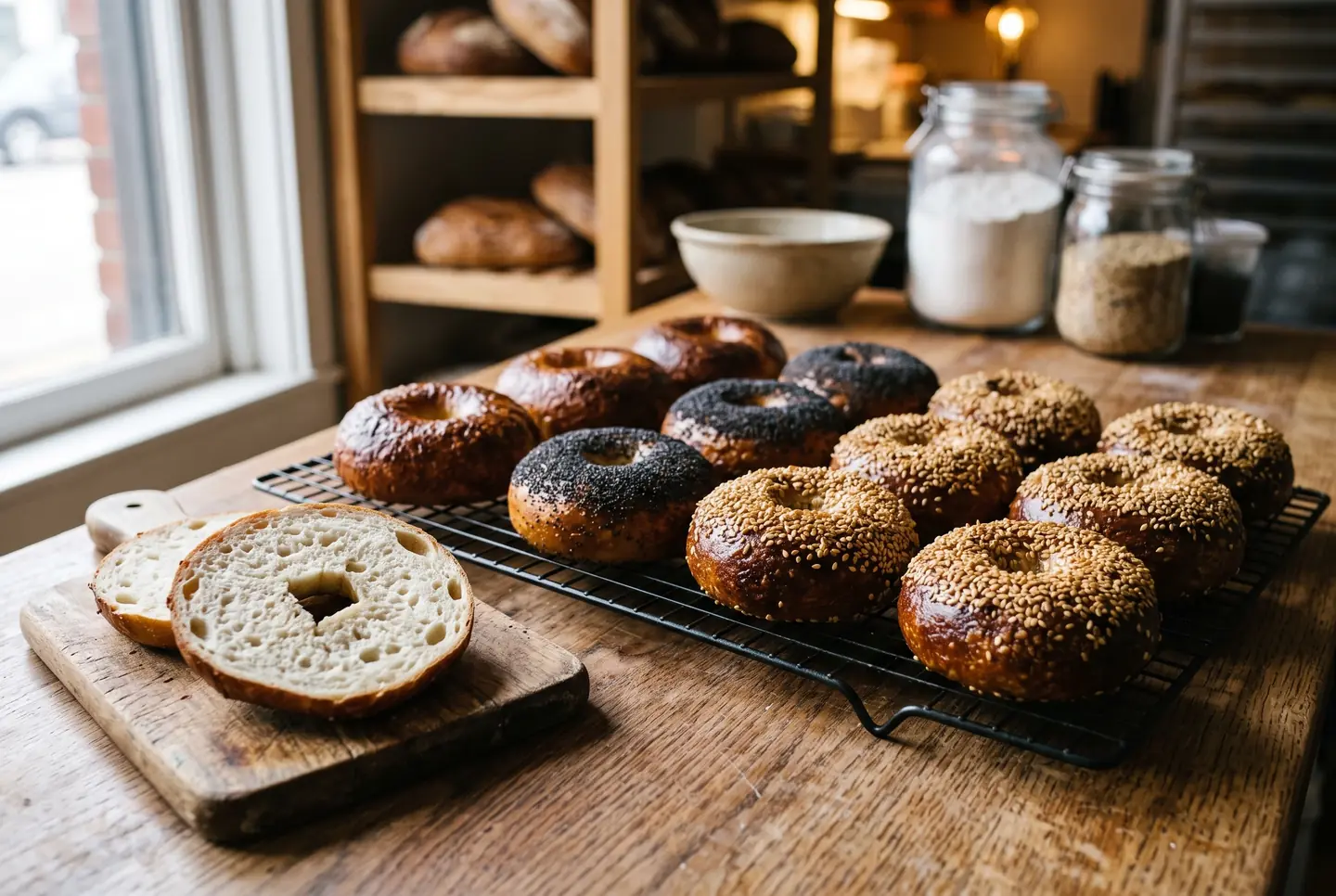 Guide
Bagel Recipe: New York Style, Step by Step
A weight-based New York bagel recipe, step by step: the firm 58% dough, an overnight cold retard, how long to boil, and the oven heat that sets a glossy crust.
6 min read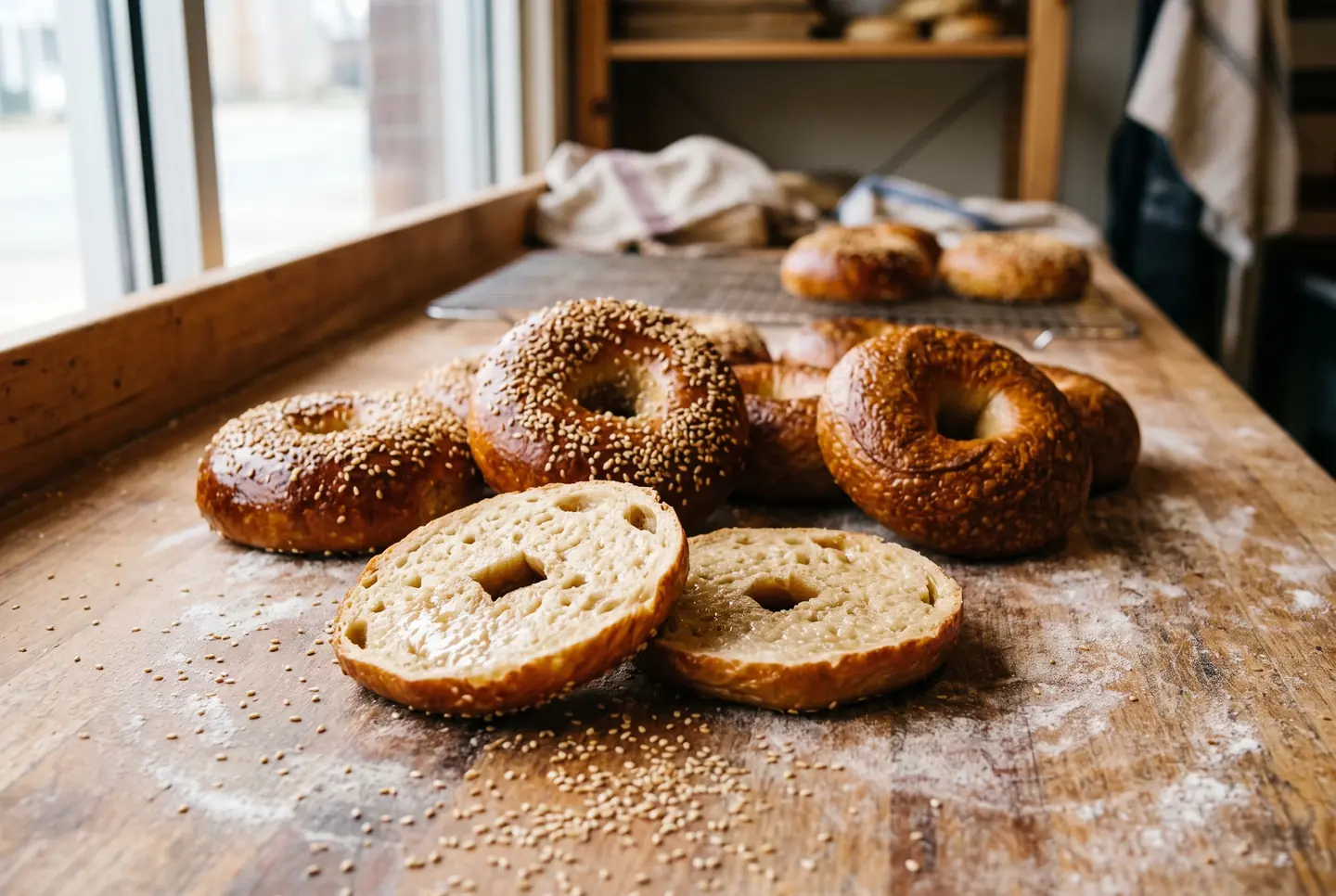 Complete guide
Bagels: The Complete Guide
Make a real bagel at home: the firm 58% dough, why bagels are boiled before baking, New York vs Montreal, sourdough and gluten free, and how to fix flat ones.
18 min read